
UNDERSTANDING THE POWER OF MEDITATION TECHNIQUE
In today’s fast-paced world, where stress and anxiety have become common companions, learning an effective meditation technique can be life-changing. Meditation has been practiced for thousands of years, but modern science is only now catching up with what ancient traditions already knew — that mindfulness and focused attention can transform the mind, body, and spirit. A good meditation technique is not just about sitting quietly; it’s about cultivating awareness, presence, and inner peace amidst the chaos of everyday life.
The Essence of Meditation
Meditation is a state of consciousness that allows the practitioner to access deeper levels of awareness beyond the usual thought patterns. It is often misunderstood as simply relaxing or daydreaming, but the right meditation technique helps you go far beyond that. By directing attention inward, the practitioner can observe thoughts and emotions without judgment. Over time, this develops mindfulness and emotional resilience.
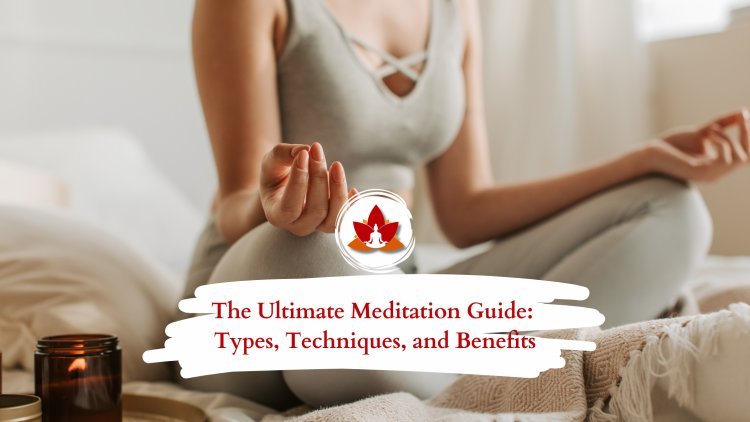
Different meditation techniques have their own unique focus — some emphasize the breath, others use mantras, visualizations, or sensations in the body. Regardless of the method, the core goal remains the same: to still the mind and awaken a sense of harmony within.
Types of Meditation Techniques
1. Mindfulness Meditation
Mindfulness meditation is one of the most widely practiced meditation techniques today. Originating from Buddhist traditions, it focuses on cultivating awareness of the present moment. Practitioners observe their thoughts, emotions, and bodily sensations without trying to control them. This meditation technique helps reduce stress, anxiety, and overthinking by training the mind to stay grounded in the “now.”
2. Transcendental Meditation
Transcendental Meditation (TM) is a silent meditation technique that involves repeating a specific mantra to settle the mind into a state of deep rest. TM helps quiet mental noise and brings about profound relaxation. Practicing this meditation technique twice a day for 20 minutes is said to enhance creativity, focus, and overall well-being.
3. Guided Visualization
Guided visualization is a meditation technique that uses imagery and imagination to create mental scenes that evoke peace and positivity. A teacher or recorded guide leads the practitioner through calming scenarios like walking on a beach or sitting in a serene forest. This meditation technique is particularly helpful for beginners who struggle to focus, as it engages the senses and imagination.
4. Loving-Kindness Meditation (Metta)
This heart-centered meditation technique is designed to cultivate compassion and unconditional love — both for oneself and others. Practitioners silently repeat phrases like “May I be happy, may I be healthy, may I be peaceful,” extending these wishes outward to friends, family, and even strangers. Over time, this meditation technique reduces anger, increases empathy, and promotes emotional healing.
5. Chakra Meditation
Chakra meditation is a spiritual meditation technique rooted in ancient Indian traditions. It involves focusing on the body’s seven energy centers, or chakras, using visualization, sound, or breathing. Each chakra corresponds to different aspects of physical, emotional, and spiritual health. This meditation technique helps restore energetic balance and promotes holistic well-being.
How to Practice a Meditation Technique Effectively?
To master any meditation technique, consistency is key. Here are a few practical steps to get started:
1. Choose the Right Environment
Find a quiet and comfortable place where you can sit without distractions. A clean, peaceful space enhances the effectiveness of your meditation technique.
2. Set a Time and Intention
Meditation is most powerful when practiced regularly. Start with just 10–15 minutes a day. Before beginning, set a simple intention such as “I am here to find peace and clarity.” This anchors your meditation technique with purpose.
3. Focus on the Breath
Almost every meditation technique begins with awareness of breathing. Notice the natural rhythm of your inhale and exhale. Let your breath be your guide back to the present moment whenever your mind wanders.
4. Observe Without Judgment
A key part of any meditation technique is learning to watch your thoughts and emotions without labeling them as good or bad. When distractions arise, gently bring your attention back to your point of focus — be it your breath, mantra, or visualization.
5. End with Gratitude
Conclude each session by acknowledging yourself for taking time to nurture your inner world. Gratitude amplifies the effects of your meditation technique, leaving you with a sense of fulfillment and serenity.
Benefits of Practicing Meditation Techniques Regularly
When practiced consistently, any meditation technique can lead to profound transformation. Physically, meditation lowers blood pressure, reduces stress hormones, and improves sleep quality. Mentally, it enhances focus, creativity, and emotional stability. Spiritually, it connects you with your higher self and helps you experience unity with the world around you.
Scientific studies now validate what ancient sages long taught — that a simple meditation technique can reshape the brain, increasing areas related to memory, empathy, and compassion. Even just a few minutes of daily practice can make a noticeable difference in mood, patience, and resilience.
Choosing the Best Meditation Technique for You
There is no one-size-fits-all meditation technique. What works for one person may not work for another. The best approach is to experiment with different methods — mindfulness, mantra, breath awareness, or visualization — and see which resonates most deeply. Pay attention to how each meditation technique makes you feel. If one method brings calm, clarity, or joy, that is your personal path to follow.
For beginners, guided meditations or classes led by experienced teachers can be very helpful. Over time, as your confidence grows, you can deepen your practice and even combine multiple meditation techniques for a more holistic experience.
Conclusion: Meditation as a Way of Life
Ultimately, a meditation technique is more than a daily practice — it’s a way of living consciously and compassionately. It teaches patience, presence, and the ability to respond to life’s challenges with calm awareness. Whether you choose mindfulness, mantra, or loving-kindness as your preferred meditation technique, what truly matters is your dedication to showing up for yourself each day.
Through regular practice, your mind becomes your ally rather than your enemy, your emotions become balanced, and your spirit feels free. The journey of mastering any meditation technique is, in essence, the journey back to your true self — peaceful, aware, and whole.