
WHEN TO CHOOSE MORE DRAWERS IN A FRAMELESS RTA KITCHEN
A pan buried behind two other pots can make a roomy cabinet feel hard to use. More drawers may solve that problem when they bring frequently used items within easier reach. They earn their space when the contents fit, the drawer opens comfortably, and its location suits the task.
That gives you a useful starting point for exploring frameless rta kitchen cabinets: decide what needs better access before choosing how many drawers to include. The linked RTA category is a starting point for product questions; a specific frameless drawer setup still needs confirmation.
Drawer count alone tells you little about how well a kitchen will work. Several shallow drawers might suit small tools, while a deeper drawer could hold suitable cookware. Other items may need the open height behind a cabinet door. Start with the storage problems you face most often. Then use item size, household needs, and the available cabinet options to decide which extra drawers would make daily work easier.
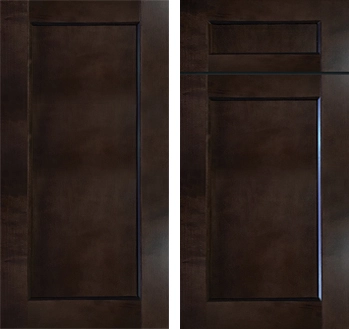
Choose more drawers for items you use often
Choose extra drawers first for items you use often but struggle to see or reach. Pulling suitable contents outward can reduce the need to reach into the back of a base cabinet. That benefit matters most when the same awkward reach happens several times a day.
Utensils, food containers, and everyday cookware are useful candidates, provided they fit. A drawer that lets you see container bases may solve a repeated search problem. But if the matching lids end up buried underneath, the arrangement still needs work.
Make a short list of the items in each problem cabinet. Note how often you use them, what blocks access, and whether you must move something else first. This separates a real need for another drawer from a wish for more drawer fronts.
Also consider who handles the contents. Someone may find a shallow tool drawer comfortable but struggle with a deep drawer full of dishes. Where possible, try a similar drawer with a realistic load rather than judging an empty display.
Give the strongest candidates priority. A rarely used serving bowl may not deserve the same easy access as daily lunch containers. You can improve the busiest storage spots while keeping other cabinets behind doors. Before choosing those drawer stacks, though, separate what the cabinet labels tell you from what their measurements must show.
Understand what frameless and RTA tell you
Frameless describes how the cabinet box is built. RTA means ready to assemble and describes how the cabinet is supplied. These labels answer different questions, and neither tells you the usable size of a drawer.
A face frame is a separate frame attached around the front of a cabinet box. Frameless cabinet construction leaves out that frame. This changes the opening arrangement, but the drawer still needs its own box and moving hardware.
Drawer slides are the hardware that guides a drawer as it opens and closes. The drawer sides, slides, and required gaps all take up room. A cabinet's outside width therefore cannot tell you whether your widest pan will fit inside its drawer.
The frameless label also does not promise a fixed storage gain or show how far a drawer opens. Full extension means the drawer can pull out far enough to expose its full storage area. Confirm that feature for the selected product if access to the back matters to you.
With ready to assemble kitchen cabinets, the assembly instructions also matter. The exact drawer arrangement must match the cabinet box and compatible parts. A picture of the front cannot confirm that match.
Treat construction, assembly format, and drawer specifications as separate checks. A category page can help you begin exploring options, but it does not confirm every possible combination. Once those differences are clear, compare actual drawer interiors with the things you plan to store.
Match drawer depth to the items inside
Choose drawer sizes around the contents, starting with usable interior measurements. Drawer-front height is the visible face; it does not show the clear height inside. You also need inside width and front-to-back depth, meaning the distance from the drawer's front to its back.
Shallow drawers can suit utensils, measuring tools, and smaller kitchen supplies. Their value comes from keeping items visible in a manageable layer. Several shallow levels may serve these contents better than one deep space where small tools collect in piles.
Deep drawer storage can suit pots, dishes, or containers when the dimensions and product guidance support that use. Measure typical pieces, including handles and lids. A pot may fit across the drawer while its raised lid handle prevents the drawer from closing.
Try arranging the intended contents within a measured outline on a table. This can reveal awkward handles or wasted gaps before you commit. It checks only the space the items cover; you still need to confirm height and room to lift items out.
Stacking deserves its own test. If reaching the bottom pan requires lifting several others, a deep drawer may keep the problem you hoped to solve. Fewer items per drawer or a different division of space may work better.
Choose kitchen drawer organizers after checking the interior. Inserts and dividers separate items but also take up space. Confirm their fit and, for heavy contents, follow the selected cabinet's guidance. A drawer that fits the items still needs to be comfortable for the household to use.
Keep door cabinets where drawers do not fit the job
Keep a door cabinet where tall contents or objects inside the cabinet make a standard drawer stack awkward. More drawers are useful only if they improve the storage task. An open space behind a door may better suit a tall countertop appliance, depending on its size and the shelf arrangement.
Measure the appliance in the form you plan to store it. Leaving a bowl or lid attached can change the height needed. Also consider how you will lift it out; fitting inside the cabinet is only part of the decision.
Under a sink, plumbing can take up space that a drawer would need. Special drawer shapes may work in some systems, but they require confirmation for the actual plumbing and cabinet. Do not plan a regular stack there based only on an outside drawing.
Corners need their own access solution too. Nearby cabinet fronts and the shape of the corner can limit what opens and what you can reach.
Household comfort may also favor fewer drawers or lighter contents in each one. Test the opening motion and reach where possible. If price affects the choice, compare quotes for the actual alternatives and included parts. Avoid assuming that a door cabinet or drawer stack always costs less. These exceptions help reserve drawer space for the locations where it will do the most work.
Place drawer stacks where you use their contents
Put each proposed drawer near the task its contents support. Preparation tools usually make sense near the work surface where you chop and mix. Suitable cookware may deserve space near the cooking area, provided the drawer can open without blocking that work.
For a hypothetical household that cooks most evenings, pans might be the main access problem. A drawer stack beside the cooking area could take priority over extra utensil drawers across the room. The pans would still need to fit without awkward nesting, and the cook would need room to stand while opening the drawer.
Now consider a hypothetical kitchen used mainly for quick meals and countertop appliances. A tall appliance stored behind a door near the preparation area might be more useful than another deep drawer. Small drawers nearby could hold the tools used with it. Both kitchens follow the same rule, despite needing different cabinet mixes.
Test movement on the full kitchen drawing. An open drawer may meet an appliance door, a nearby handle, or an adjacent cabinet front. Check where people will stand, especially if one person cooks while another unloads the dishwasher.
Trace one familiar task through the proposed RTA kitchen cabinet layout. Follow where you collect tools, use them, and put them away. Keep the drawer locations that shorten awkward reaches without creating opening conflicts. That gives you a draft plan to compare with actual cabinet options.
Check the drawer configuration before ordering
Your draft plan becomes an order only when each drawer stack matches a documented cabinet option. For online shopping, request missing details before committing. A similar-looking product photo is not enough to confirm the parts or interior space.
Use this final check for each priority location:
- Confirm the exact cabinet model and drawer arrangement, including whether the chosen construction and RTA format are offered together.
- Get usable inside height, width, and front-to-back depth for each drawer.
- Check how far drawers open and whether nearby doors, handles, or appliances interfere.
- Match organizers to the drawer interior, including space they take away from contents.
- Confirm included drawer boxes, fronts, slides, fasteners, and any separately required parts.
- Read the selected system's assembly instructions and clarify the work required.
- Ask whether later changes are supported before assuming a door cabinet can become drawers.
Keep the answers beside your cabinet list so similar units do not get confused. If a preferred stack cannot be confirmed, revise that location while keeping the storage task you wanted it to serve.
Choose each drawer stack for a clear storage job
Choose more drawers where frequent use, suitable contents, and a workable location come together. That gives each added stack a clear reason to be in the kitchen. A higher drawer count means little if pans remain buried or the drawers interfere with nearby doors.
Your next step is to mark the strongest drawer candidates on a draft cabinet plan. Write the intended contents beside each one, then compare those items with documented drawer interiors. Keep door cabinets where height, plumbing, or comfortable handling makes them the better fit.
If the selected RTA system cannot support a priority drawer location, return to the storage problem. Another cabinet arrangement may meet the same need. Order once the daily benefit and the product details agree, with the contents, usable space, and opening movement checked for each drawer stack you plan to add.