
WHEN SIMPLE LAMINATE COUNTERTOPS WORK BEST WITH BOLD CABINETS
Simple laminate countertops work best with bold cabinets when you want the cabinets to catch your eye first. A surface with little pattern can give deep paint colors, strong wood grain or detailed doors room to stand out. The pairing still needs colors that work together, or even a plain countertop can look out of place.
Simple does not have to mean white. A soft gray, warm neutral or darker surface may play the same supporting role. What matters is how much attention the countertop draws beside the cabinet finish and the other surfaces already in the room.
A shortlist of custom laminate countertops becomes more useful once you know what the surface should add. You can then compare actual colors and patterns while keeping questions about size and fit separate. Start by deciding what makes your cabinets bold and whether that feature should remain the main focus. That gives each sample a clear job before you judge its color, pattern or edge.
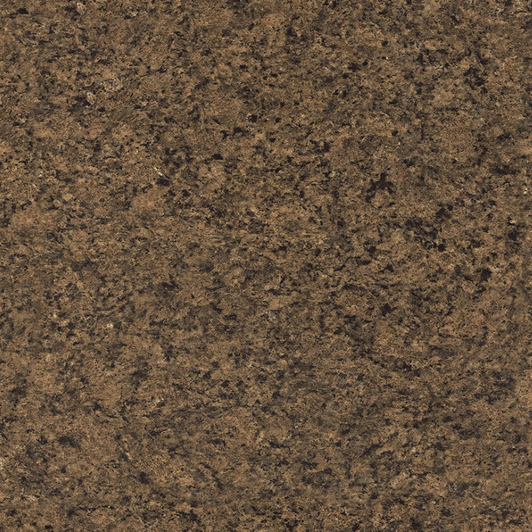
Let bold cabinets lead with a quieter countertop
A quiet countertop is a useful choice when the cabinets already have the detail you want people to notice. Deep green paint might provide that interest through color alone. Wood doors might stand out because their grain has dark streaks, while raised panels add lines and shadows.
Those features create different needs. A painted door may suit a countertop with some gentle pattern because the door itself has little pattern. Strongly grained wood already has lines and streaks, so another obvious pattern may draw attention away from it.
Visually quiet means that the surface has limited changes in color or pattern. It can still have texture in its printed design, fine specks or a faint change in shade. The useful test is whether you notice the whole cabinet arrangement before individual marks on the countertop.
Try looking at the proposed pairing from the kitchen entrance rather than only at arm's length. If the countertop becomes the first thing you notice, decide whether that matches your plan. Some homeowners prefer two strong features, and that can be a valid choice. If you want the cabinets to stand out, begin with quiet samples and use color to connect them to the doors.
Choose a countertop color that belongs with the cabinets
Choose the countertop's color family before judging its pattern. A surface can have almost no pattern and still clash with the cabinets because its underlying color feels wrong.
That underlying color is often called an undertone. It is the faint warm, cool or colored cast beneath the main shade. Two samples that both look white on their own may look creamy and blue-gray when placed together.
For a hypothetical kitchen with deep-blue cabinets, compare a soft white sample with a quiet gray. The white might give the doors a clear outline, while the gray might create a gentler change between the two surfaces. Neither is an automatic match. Place both beside the actual blue finish and see whether an unwanted yellow, pink or blue cast becomes noticeable.
Richly grained wood calls for a different comparison. A quiet warm neutral might pick up a lighter tone within the grain without repeating its streaks. But wood that looks warm in a photo may appear cooler beside the floor, so use the actual cabinet finish as your reference.
Light countertops can make the cabinet edges stand out. A darker quiet surface can bring the cabinet and countertop colors closer together for a moodier look. Choose how much light-dark difference you want, then compare the samples with the floor and room lighting. Kitchen cabinet color combinations rarely come down to a single color name; the shades beside that color change how it appears.
Keep laminate patterns quiet without losing character
Once the colors feel right, compare how much pattern each sample adds. A solid color, fine speckling and faint stone-like pattern are possible design directions to look for. These are not promises about any supplier's current selection.
Start with the difference between the lightest and darkest marks. Small specks can still look busy if that difference is sharp. Larger marks may feel calmer when their shades are close together, though you still need to check their size across the proposed surface.
Strong wood grain deserves particular care. If both the cabinet doors and countertop have dark lines running through them, your eye may keep moving between the two. A pattern with softer changes can leave the grain easier to notice while giving the countertop some character of its own.
A tiny chip cannot show how marks spread or repeat across a long countertop. Ask whether a larger sample or full-pattern image is available. Look for clusters, bold streaks and repeated shapes that were missing from the small piece.
Judge the pattern from both working distance and across the room. A detail you enjoy close up may disappear at a distance, which can suit a supporting surface. A bold repeated mark may remain noticeable throughout the kitchen.
Check whether the rest of the kitchen needs more contrast
A quiet countertop works only as part of the room around it. Include the backsplash, floor, walls and visible hardware before deciding that the cabinet pairing is settled. Each can change which surface attracts attention.
If the cabinets and countertop seem to blend together more than you want, test a clearer light-dark difference first. A lighter sample beside dark doors may define the row of cabinets without adding another pattern. Adding bold veining could solve the lack of separation while creating another feature that competes for attention.
A patterned floor and busy backsplash present another problem. A quiet countertop may give your eye somewhere to rest, but it cannot remove a clash between those existing surfaces. If the room still feels crowded, compare the backsplash separately rather than repeatedly changing an otherwise suitable countertop.
Lighting can also change the answer. In a hypothetical kitchen with little daylight, a dark countertop beside deep cabinets may look less distinct than expected. Test it under the lights you normally use before choosing a lighter alternative. Pale color alone does not tell you how the finished room will feel.
Bold upper and lower cabinets may make a quiet countertop especially appealing because color already fills much of the view. If the cabinets are staying, use their finish and the floor you're keeping as fixed starting points. During cabinet and countertop replacement, compare both samples together before committing to either. This avoids choosing two attractive finishes separately and discovering that they compete once joined.
Plan custom laminate details around the cabinet layout
Custom laminate countertops need both physical fit and a suitable appearance. A custom size concerns the measurements. It does not mean that a supplier offers a custom color, pattern or edge, so ask which choices are actually available.
For custom cut laminate countertops, the discussion should move from a sample to the full cabinet drawing. In a hypothetical L-shaped run, ask how the corner would be handled, where joints might appear and how the pattern would look across them. Have the supplier explain the proposed arrangement rather than assuming the surface will look continuous.
The front edge deserves its own look beside the cabinet doors. An edge that looks heavy might add more detail than you want above raised panels. A simpler-looking edge may better support the quiet surface, but you need to confirm that it is available and suitable for the specific product.
Before ordering, clarify the following:
- Who confirms the final measurements and checks the walls?
- How are the sink and appliance requirements checked against the selected product?
- Which overhangs, meaning the parts extending beyond the cabinets, are proposed?
- Where would joints sit, and what would their finished appearance be?
- Can you see an example of the proposed edge and corner details?
These answers connect the selected look to the actual layout. Custom cutting alone does not guarantee invisible joints or fix an awkward cabinet arrangement. Review any unclear detail on the drawing while changes can still be discussed, rather than relying on the word custom to cover it.
Test samples before choosing the final countertop
Bring the remaining samples into the kitchen for one complete comparison. Place countertop samples horizontally beside the cabinet finish, with backsplash and floor samples nearby when possible. Keep the cabinet sample upright so it resembles the finished arrangement.
View the group in daylight and under your usual kitchen lights. A phone photo can help you remember the options, but return to the actual samples when judging small color differences.
Use this short final check:
- Cabinet emphasis: Do the color, grain or door details still attract the attention you intended?
- Color match: Does an unwanted warm, cool or colored cast appear beside the surrounding finishes?
- Pattern strength: Does the larger pattern stay quiet from across the room?
- Fit questions: Are measurements, edges, corners, joints and cutout requirements clear?
Browse the available laminate kitchen countertops and compare complete product details with your kitchen, care preferences and budget. Keep that review separate from liking the sample. Read the actual care instructions and check what work the quote includes. A choice that looks right still needs to meet your daily expectations and the costs you can accept.
Choose a quiet countertop that lets your cabinets stand out
A simple laminate countertop is a strong candidate when cabinet color, grain or detailing already gives the kitchen its main interest. The right surface lets those features stand out while connecting them to the rest of the room. That surface may be light or dark, solid or gently patterned.
If the pairing looks flat, try a clearer difference in light and dark before adding more pattern. If the kitchen still feels busy, look at the surrounding finishes before rejecting the countertop. Those checks help you see which part of the room needs to change.
Keep the smallest shortlist that works beside your actual cabinets under your usual lights. Then settle the remaining product and fit questions with the supplier. You can commit once the appearance gives your cabinets the focus you want and the confirmed details suit the layout, care preferences and budget.