
BEST FOOD FOR POMERANIANS IN THE UK: NUTRITION, TIPS & BUY
BUY
Pomeranians may be small, but they have big personalities and plenty of energy. These fluffy little dogs love to play, explore, and stay close to their owners. To keep them happy and healthy, choosing the right food is just as important as giving them regular exercise and attention.
With so many dog food options available in the UK, finding the best one for your Pomeranian can feel a little confusing. Some foods are designed for small breeds, while others focus on sensitive digestion, healthy skin, or maintaining a shiny coat.
In this guide, we will explore what Pomeranians need in their daily diet, which ingredients to look for, and how to choose food that suits their age, size, and lifestyle.
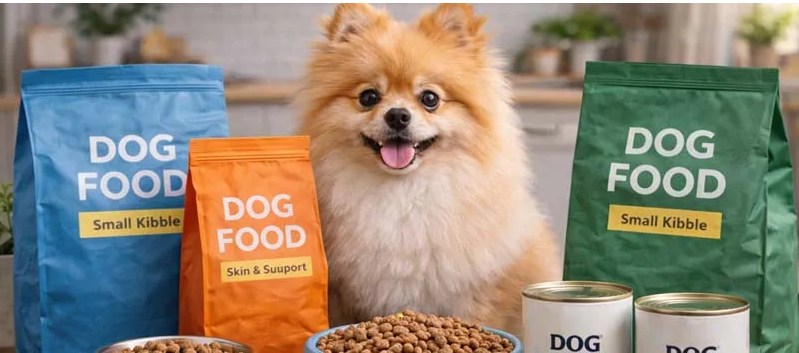
What Makes a Good Dog Food for Pomeranians?
Pomeranians have small mouths and relatively high energy needs for their size. Their food should provide balanced nutrition without being difficult to chew or digest.
Here are a few things worth considering:
High-quality protein: Chicken, turkey, salmon, and lamb can help support muscle development and everyday activity.
Healthy fats: Omega-3 and omega-6 fatty acids help maintain healthy skin and a soft, fluffy coat.
Digestible ingredients: Easily digestible protein and suitable fibre sources can support a healthy digestive system.
Essential vitamins and minerals: A complete and balanced diet provides nutrients needed for overall wellbeing.
Small-sized kibble: Smaller pieces can be easier for tiny mouths to pick up and chew.
Always choose food labelled as complete and balanced for your dog's life stage.
Best Types of Dog Food for Pomeranians in the UK
There is no single food that works perfectly for every Pomeranian. The best choice depends on your dog's preferences, health, and daily routine.
1. Dry Dog Food
Dry food is a convenient option for many Pomeranian owners. It is easy to measure, store, and serve. Small-breed formulas often come with smaller kibble pieces that are more comfortable for little dogs to eat.
Look for recipes containing quality animal protein and a balanced combination of nutrients.
2. Wet Dog Food
Wet food has a softer texture and stronger smell, which may appeal to fussy eaters. It can also be easier to eat for dogs that struggle with harder kibble.
However, portion sizes should be monitored because wet food can vary considerably in calories.
3. Grain-Free Dog Food
Some owners consider grain-free diets when their dogs have particular dietary requirements. However, grain-free food is not automatically healthier.
Unless your veterinarian recommends it, there is usually no reason to avoid nutritious grains such as rice or oats.
4. Puppy Food
Pomeranian puppies need food specifically formulated for growth. Puppy recipes generally provide the energy and nutrients required during their early development.
Choose a complete puppy food suitable for small breeds and follow the feeding guidance on the packaging.
How Much Should a Pomeranian Eat?
The correct amount depends on your dog's weight, age, activity level, and the calorie content of the food.
Because Pomeranians are so small, even a little extra food or too many treats can affect their daily calorie intake.
A few helpful feeding tips include:
- Measure each meal instead of guessing the portion.
- Divide daily food into suitable meals.
- Follow the manufacturer's feeding recommendations as a starting point.
- Adjust portions according to your dog's body condition.
- Keep treats within a sensible limit.
Puppies may need more frequent meals than adult dogs. Your vet can help establish a suitable feeding routine.
Ingredients to Look for When Buying Pomeranian Food
Before purchasing a new dog food, take a moment to check the ingredient list.
- Some useful ingredients include:
- Chicken or turkey for animal protein.
- Salmon oil for omega-3 fatty acids.
- Fish oil to support skin and coat health.
- Beet pulp or other suitable fibre sources for digestion.
- Vitamins and minerals for balanced nutrition.
Avoid choosing food based only on attractive packaging or marketing claims. Check the nutritional information and make sure the recipe is appropriate for your dog's age and needs.
Feeding Tips for a Healthy Pomeranian
Good nutrition is not just about buying an expensive bag of dog food. Everyday feeding habits also make a difference.
Keep fresh water available: Your Pomeranian dog recovery boots should always have access to clean drinking water.
Introduce new food gradually: Mix the new food with the old one over several days to help avoid sudden digestive upset.
Watch their weight: Regularly check your dog's body condition to make sure they are not gaining too much weight.
Limit table scraps: Human foods are not always suitable for dogs, and some ingredients can be harmful.
Choose food according to age: Puppies, adults, and senior Pomeranians may have different nutritional requirements.
Final Thoughts
Finding the best dog food for Pomeranians in the UK does not have to be difficult. Focus on complete nutrition, quality protein, appropriate portion sizes, and ingredients that suit your dog's individual needs.
Whether you choose dry food, wet food, or a combination of both, the most important thing is finding a diet your Pomeranian enjoys and tolerates well.
Every little dog is different, so pay attention to changes in appetite, digestion, coat condition, and weight. If your Pomeranian has allergies, persistent digestive problems, or other health concerns, speak with a vet before changing their diet.
A balanced feeding routine can go a long way towards keeping your fluffy companion active, comfortable, and happy.