
WHY TREE PRUNING IS IMPORTANT TO BOTH TREES AND HUMANS
Tree pruning is the most important task in tree maintenance that property owners should engage in. Beyond ensuring the survival and long-term health of the trees, proper tree pruning contributes to your safety, aesthetic value, and overall wellness of your surroundings. Selective removal of a tree's branches or deadwood is necessary to enhance its growth structure and prevent the development of dangers in it.
Here are reasons why tree pruning benefits both trees and humans.
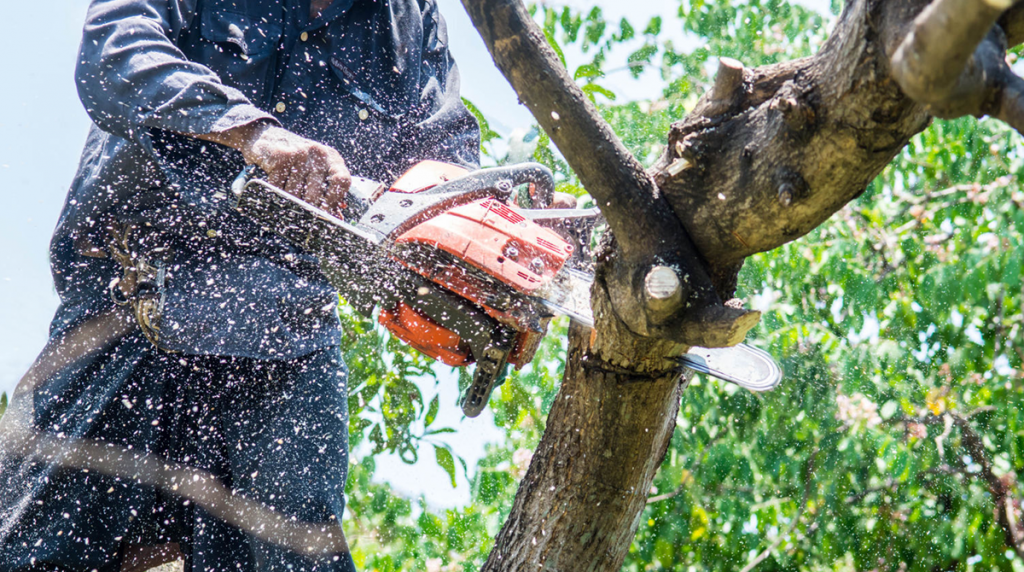
- Promotes Healthy Tree Growth
One of the primary benefits of tree pruning is to promote healthy growth. Dead or dying branches can be removed so the tree can use energy to grow new, healthy limbs. Pruning clears out diseased or damaged wood and reduces the potential for pests and diseases that may harm the whole tree. Moreover, pruning stimulates the growth of strong, sturdy branches that will support the weight of the foliage and prevent future breakage or damage.
- Improves the Tree Structure and Shape
Pruning is the most important tool for shaping and structuring a tree's canopy. Done correctly, it encourages a balanced and aesthetically pleasing shape, which is particularly beneficial to trees planted near homes or public spaces. Removing crossing and rubbing branches against each other lowers the chance of structural failure. Proper thinning will enhance air circulation, lowering the chance of diseases from fungal activities. A pruned tree will not only look healthier but will also appear neat and maintained in your landscape.
- Reduces the Risk of Falling Branches
Trees that have overgrown, with weak or broken branches, are a grave safety hazard during storms or even high winds. Unstable branches can fall onto houses, cars, or people and cause severe damage or injuries. The pruning of trees helps identify and remove branches that are too heavy or precariously positioned. By managing the tree's weight distribution and ensuring that the branches are healthy, pruning reduces the risk of falling branches and protects your property and those around you.
- Enhances Sunlight and Air Circulation
Proper pruning allows sunlight to reach all parts of the tree and its surrounding area, especially for younger or crowded trees. Ensuring that light reaches the inner branches promotes photosynthesis, allowing the tree to produce more energy for its growth. Air circulation also improves, helping to prevent fungal infections and other diseases. Both sunlight and air circulation are key for tree health, and pruning plays a significant role in optimizing these factors.
- Reduces the Necessity for Tree Removal
While tree pruning is a precautionary measure, it can sometimes delay or even nullify the requirement for tree removal. A tree left unpruned for far too long can become overgrown and structurally weak or more prone to diseases. This may sometimes lead to tree removal, mainly when it's a significant risk to structures and people. Regular pruning maintains a tree's health, reduces significant issues, and extends the tree's life, reducing the chance of completely removing it.
Tree pruning is necessary for the tree and the people around it. It improves the health, appearance, and development of trees and will make them a blessing for your property for years to come. Apart from aesthetic appeal, frequent pruning eliminates dangers, diseases, and proper growth. Tree pruning is vital in tree care, and the outcome is always long-lasting if you want to beautify your landscape or secure your property.
If your tree has grown too large or become damaged or diseased despite regular pruning, its removal might be your only recourse to ensure safety. Always consult a professional arborist to ensure the best care for your trees.