
HOW TO VISITER MAROC FOR AN UNFORGETTABLE AND MAGICAL DREAM VACA
The decision to visiter Maroc is an invitation to step into a vibrant world where ancient history, breathtaking natural landscapes, and rich cultural traditions seamlessly intertwine. Situated at the crossroads of Europe, Africa, and the Arab world, this North African gem offers travelers an incredibly diverse palette of experiences that can satisfy any style of wanderlust. From the bustling, spice-scented alleyways of imperial cities to the serene, wind-swept dunes of the vast Sahara Desert, Morocco captivates the senses from the very moment you arrive. Planning a comprehensive trip to this enchanting kingdom requires a thoughtful approach to navigation, cultural etiquette, and itinerary design to ensure you maximize your time and truly appreciate the local lifestyle. This ultimate guide is specifically designed to provide you with all the practical knowledge, geographic breakdowns, and insider tips needed to execute a flawless journey through one of the most mesmerizing countries on the planet.
Discovering the Magic of Morocco through Its Imperial Cities
To truly understand the historical heartbeat of the country, any traveler planning to visiter Maroc must prioritize a journey through the legendary imperial cities that have shaped the nation’s identity over centuries. Marrakech, often called the Ochre City, serves as the ultimate gateway for many international tourists, offering an intoxicating mix of past and present. The central hub of the city is Jemaa el-Fnaa, a massive public square that transforms every single evening into a lively open-air theater filled with traditional musicians, storytellers, and incredible street food stalls. Walking through the surrounding ancient Medina reveals architectural masterpieces like the Koutoubia Mosque and the intricate Bahia Palace, showcasing the absolute pinnacle of Moroccan craftsmanship.
Further north lies Fes, the spiritual and intellectual capital of the country, which boasts the oldest continuously operating university in the entire world. The ancient walled city of Fes el Bali is a massive, car-free labyrinth of over nine thousand narrow alleyways where artisans still practice centuries-old trades like leather tanning and copper hammering. The sight of the iconic Chouara Tannery, with its stone vessels filled with vibrant natural dyes, provides an unforgettable window into medieval production methods. Combining these cities with the coastal charm of Rabat, the modern capital, and the historic grandeur of Meknes creates a comprehensive cultural foundation for your Moroccan exploration.
Experiencing the Natural Wonders from Coastal Towns to Desert Dunes
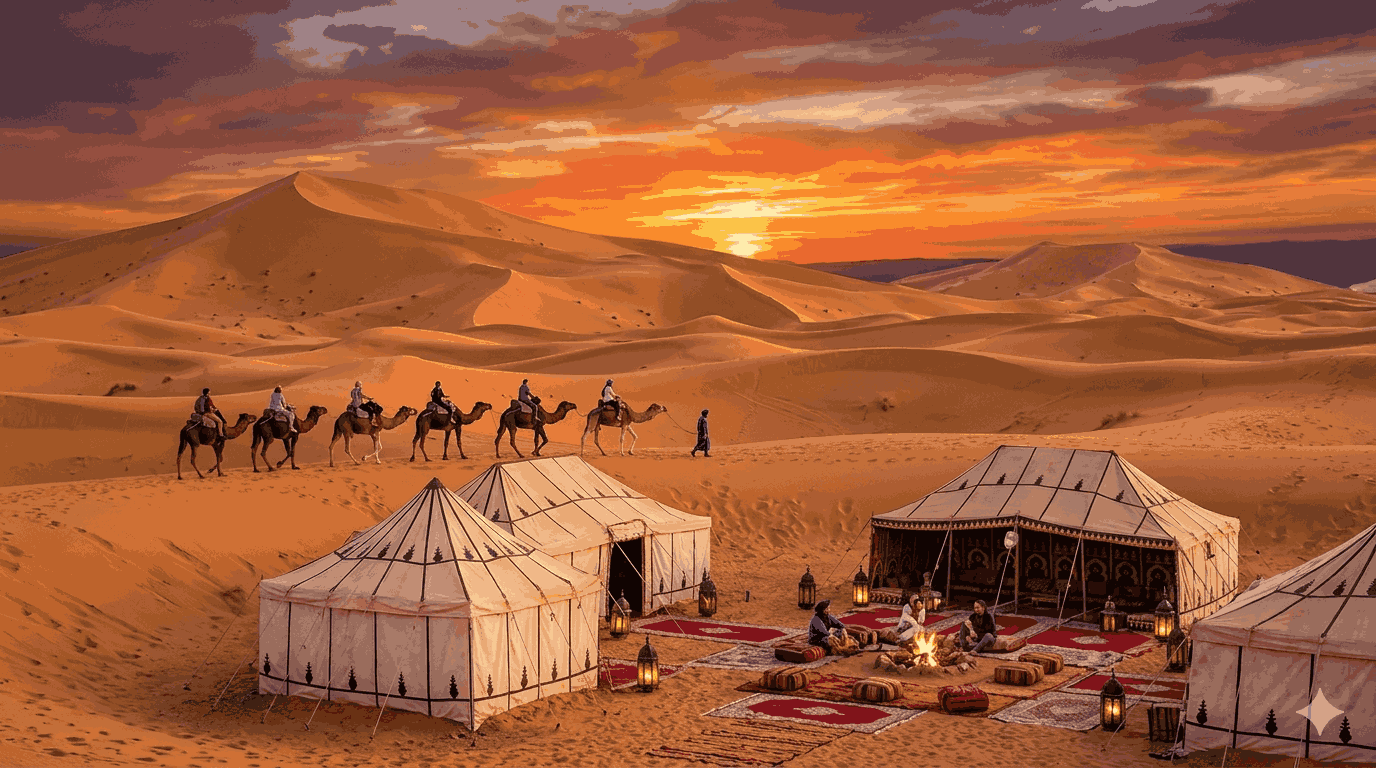
Beyond the bustling city borders, the natural topography of Morocco offers dramatic contrasts that leave outdoor enthusiasts and landscape photographers completely awestruck. One of the most sought-after experiences when you decide to visiter Maroc is embarking on an excursion into the Sahara Desert, specifically through the golden dunes of Erg Chebbi or Erg Chigaga. Spending a night in a traditional desert camp under a crystal-clear blanket of desert stars, after a peaceful sunset camel trek across the shifting sands, is often described by travelers as a profoundly spiritual and unforgettable highlight. The journey to the desert is equally spectacular, winding through the dramatic High Atlas Mountains via the famous Tizi n'Tichka pass and passing ancient fortified clay villages like Ait Benhaddou.
For those who prefer the refreshing breeze of the ocean, the extensive Moroccan coastline provides excellent destinations that offer a completely different, laid-back atmosphere. Essaouira, a charming port city on the Atlantic coast, is famous for its whitewashed buildings, brilliant blue shutters, and historic sea fortress walls that once protected the town from pirates. The city is a haven for windsurfers, artists, and seafood lovers who gather daily at the bustling port to feast on the freshest catch of the day. Further north along the Mediterranean coast, you can explore the Rif Mountains to find Chefchaouen, the famous blue city where every wall, door, and staircase is painted in striking shades of azure, creating a dreamlike environment for a relaxing walking tour.
Navigating Cultural Etiquette and Mastering Practical Logistics
A successful international journey always relies heavily on understanding local customs and managing practical travel details with confidence and respect. Morocco is a deeply traditional Muslim country, which means that dressing modestly is highly appreciated and shows respect for the local communities, especially when visiting rural areas or religious sites. While casual attire is perfectly acceptable within modern beach resorts and international hotels, covering your shoulders and knees while exploring traditional markets and ancient medinas helps you blend in and encourages positive interactions with locals. Learning a few basic phrases in Moroccan Arabic, known locally as Darija, or utilizing French, which is widely spoken across the commercial and tourism sectors, will immediately warm the hearts of the people you meet.
When it comes to financial transactions, the official currency is the Moroccan Dirham, and carrying cash is absolutely vital for your daily adventures. While modern establishments, luxury riads, and upscale restaurants in major cities accept international credit cards, smaller souk vendors, street food stalls, and local taxi drivers operate exclusively with cash. Tipping is an integral part of the service culture in Morocco, so keeping a steady supply of small coins handy for servers, baggage handlers, and local guides is highly recommended. For transportation between major hubs, the country boasts an impressive and reliable train network, including Africa’s first high-speed rail line connecting Tangier to Casablanca, making transit smooth, safe, and highly efficient.
Savoring the Rich Flavors of Traditional Moroccan Cuisine
Food is an essential window into the soul of any culture, and the culinary arts of Morocco are a magnificent reflection of its diverse Berber, Arab, Andalusian, and Mediterranean influences. A typical culinary journey begins with the iconic tagine, a slow-cooked stew named after the conical clay pot in which it is prepared, allowing meats, vegetables, and aromatic spices to blend into absolute perfection. Whether you choose a savory lamb tagine with sweet prunes and toasted almonds or a vegetarian version packed with seasonal root vegetables, the depth of flavor created by saffron, cumin, ginger, and cinnamon is consistently spectacular. Friday afternoons are traditionally reserved for enjoying a massive platter of fluffy couscous, meticulously steamed and topped with seven distinct types of vegetables and tender meat.
No discussion of Moroccan gastronomy is complete without highlighting the deeply rooted ritual of drinking traditional mint tea, affectionately referred to as Moroccan whiskey. This sweet blend of green tea, fresh spearmint leaves, and generous amounts of sugar is poured from high above to create a delicate foam layer in small glass cups, serving as a universal symbol of warm hospitality across the entire kingdom. Street food exploration is also highly encouraged, offering brave foodies the chance to sample savory pastilla, a complex flaky pastry pie filling that layers shredded poultry, crushed almonds, and powdered sugar, alongside fresh orange juices that are pressed right in front of your eyes at local market stalls.
Embrace Your Next Great Adventure and Pack Your Bags Today
The sheer variety of sights, sounds, and flavors awaiting you in North Africa ensures that every type of traveler will find something deeply inspiring during their visit. Whether you are seeking a challenging trek through the rugged peaks of the Atlas Mountains, an educational dive into medieval Islamic architecture, or simply a peaceful retreat in a luxurious traditional riad patio, Morocco delivers an experience that lingers in the heart long after the journey ends. The unique hospitality of the Moroccan people, who welcome visitors with open arms and genuine warmth, transforms a standard vacation into a meaningful cultural exchange. Start finalizing your travel dates, secure your entry requirements, and take the definitive step to changer de décor and discover the timeless wonders of this beautifully diverse kingdom for yourself.