
HOW REMOTE FIRST BUSINESSES EXPLORING INDIA FOR EXPANSION by Alex
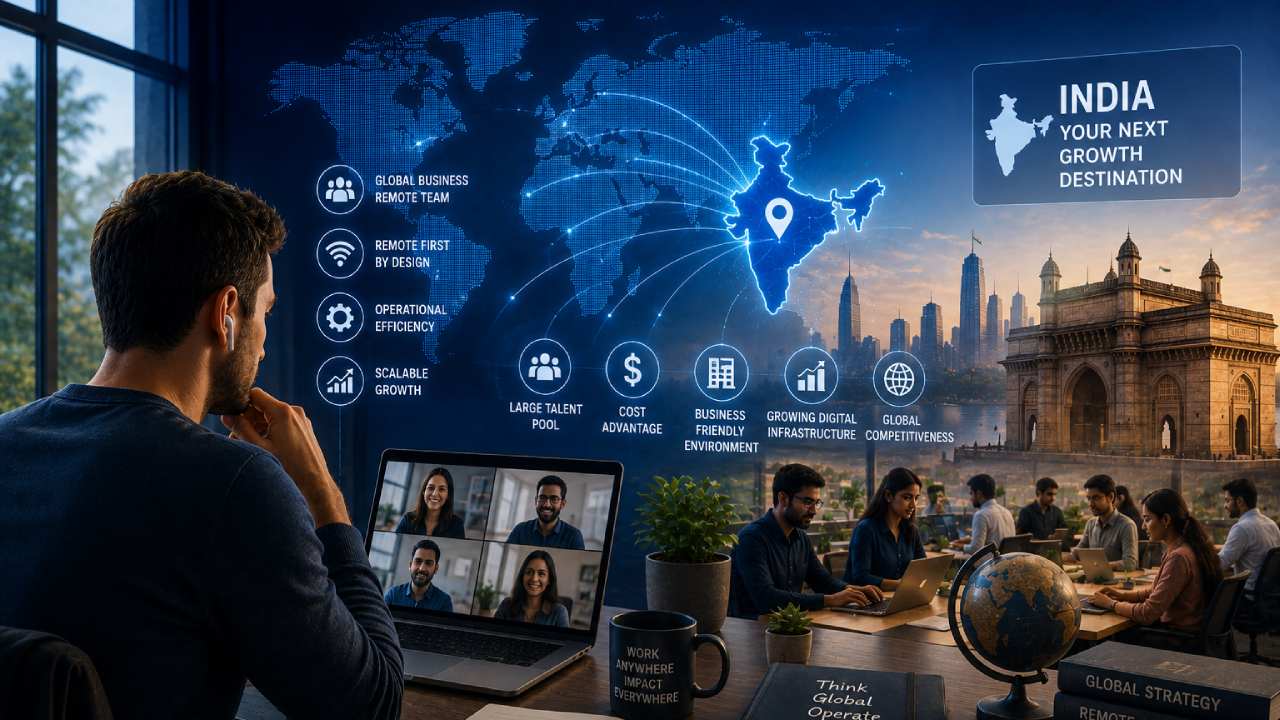
Remote work changed more than employment patterns. It reshaped how businesses think about growth, hiring and global operations. Companies once limited by geography now build distributed teams across multiple jurisdictions. As remote first models mature, India is increasingly attracting attention as an operational destination.
International founders, digital service providers and technology companies are evaluating India not only as a customer market but also as a location for expansion. Access to skilled talent, evolving infrastructure and business friendly reforms have influenced this trend. For many remote first businesses, India is becoming part of long term operational planning.
Remote First Models Have Changed Expansion Strategies
Traditional expansion often required physical offices before market entry. Remote businesses operate differently. Teams may work across countries while management remains centralised elsewhere.This flexibility allows founders to explore jurisdictions based on workforce quality, operational cost and regulatory suitability rather than office location alone. India has gained attention because it offers advantages aligned with these priorities. Remote businesses increasingly assess where talent and scalability intersect. India frequently appears in these discussions.
Access to Skilled Professionals Drives Interest
One major reason remote businesses consider India involves workforce availability. The country continues producing professionals in technology, finance, design, marketing and legal services. Businesses building distributed teams often seek specialised expertise without limiting recruitment to one region. Indian professionals participate actively across global industries including software development, consulting and digital operations. For remote first organisations, talent access can directly influence expansion decisions.
Technology Infrastructure Supports Distributed Operations
Reliable internet access, cloud adoption and digital payment systems contribute to remote business efficiency. India’s technology environment has evolved rapidly over recent years. Digital tools enable businesses to manage operations, collaborate with teams and serve international customers without requiring centralised physical infrastructure. This environment supports modern operating models where flexibility remains essential. Technology readiness often affects whether businesses can expand efficiently across borders.
Cost Efficiency Influences Operational Decisions
Operational costs remain important when businesses evaluate expansion. Remote companies frequently compare jurisdictions based on recruitment expenses, support services and business administration. Cost alone rarely determines strategy. However, sustainable growth often depends on balancing quality and expenditure. India’s position within global service ecosystems contributes to continued interest among international founders. Businesses seeking efficiency may consider India alongside broader expansion objectives.
Startup Ecosystems Encourage Collaboration
India’s entrepreneurial environment continues growing. Startup communities, incubators and service networks support innovation across sectors. Remote businesses entering new jurisdictions often benefit from local ecosystems offering professional connections and specialised support. These environments may assist expansion indirectly through partnerships and operational guidance. Strong ecosystems can make new markets more accessible.
Compliance Awareness Matters for Remote Businesses
Remote operations sometimes create assumptions around reduced regulatory obligations. In reality, expansion into new jurisdictions may involve incorporation requirements, taxation considerations and employment compliance. Businesses evaluating company setup India often recognise operational flexibility does not remove governance responsibilities. Understanding local regulations remains important regardless of remote business models. Early compliance planning can support smoother expansion over time.
Hiring International Teams Requires Structural Planning
Building distributed teams across countries introduces questions around contracts, payroll and governance. Businesses expanding into India often assess whether direct hiring, local entities or alternative arrangements best suit objectives. Employment structures influence compliance and operational efficiency. Remote businesses increasingly consider these factors before expanding workforce presence. Growth planning frequently extends beyond recruitment alone.
India’s Market Potential Adds Strategic Value
Some remote businesses initially explore India for talent and later recognise broader commercial opportunities. Large consumer markets and digital adoption create additional possibilities. Expansion decisions may evolve over time. Businesses entering for operational support occasionally develop customer facing strategies later. India’s scale contributes to this progression. Operational presence and commercial opportunity sometimes intersect.
Global Businesses Need Long Term Expansion Perspectives
Remote first companies often grow quickly. Early structural decisions can affect later investment, partnerships and scalability. Businesses entering new jurisdictions may benefit from evaluating future goals alongside immediate operational requirements. Planning for growth rather than only current needs often reduces later restructuring. Long term thinking increasingly shapes remote expansion strategies.
Digital Businesses Are Seeking Flexible Jurisdictions
Technology firms, consulting businesses and service platforms commonly prioritise flexibility. Jurisdictions supporting incorporation processes and digital operations attract greater interest. Businesses researching online business registration India often focus on accessibility, documentation requirements and continuing obligations. Ease of registration remains important, although governance expectations continue after incorporation. Remote businesses tend to value environments supporting both agility and compliance.
Cultural Adaptation Still Matters in Remote Models
Remote work reduces physical distance but does not eliminate cultural differences. Communication styles, management expectations and workplace norms may vary across regions. Businesses expanding internationally often benefit from understanding local professional environments. Cultural awareness can influence collaboration and retention. Successful remote operations frequently combine technology with thoughtful management practices.
Why India Continues Gaining Attention
India’s appeal for remote first businesses reflects multiple factors rather than one advantage alone. Talent, digital infrastructure, market scale and entrepreneurial growth collectively influence perceptions. Expansion decisions vary depending on business type and objectives. Yet India increasingly appears within conversations around distributed growth models. The trend suggests remote businesses are rethinking what operational expansion looks like in a connected economy.
Conclusion
Remote first businesses are changing how expansion occurs globally. Physical offices no longer define growth. Instead, companies assess jurisdictions based on talent, scalability, infrastructure and regulatory readiness. India’s evolving business environment positions it as an option for organisations seeking operational expansion. For remote businesses, successful growth often depends on balancing flexibility with structured planning. Expansion strategies continue evolving. India’s role within these discussions is likely to remain significant as distributed business models mature further.
Frequently Asked Questions (FAQs)
Q1. Why are remote first businesses exploring India for expansion?
Access to skilled talent, digital infrastructure and operational scalability are common reasons.
Q2. Do remote businesses need legal structures when expanding internationally?
Expansion may involve compliance, taxation and employment obligations depending on business activities.
Q3. Is India suitable for distributed workforce models?
Many international businesses engage Indian professionals across technology, consulting and support services.
Q4. Can remote expansion create regulatory challenges?
Yes. Governance and compliance requirements may continue even where operations remain largely virtual.
Q5. Does operational expansion always require physical offices?
Remote first businesses increasingly grow through distributed teams rather than traditional office models.